Plow Mixer or High Speed Granulator, which is better for granulation
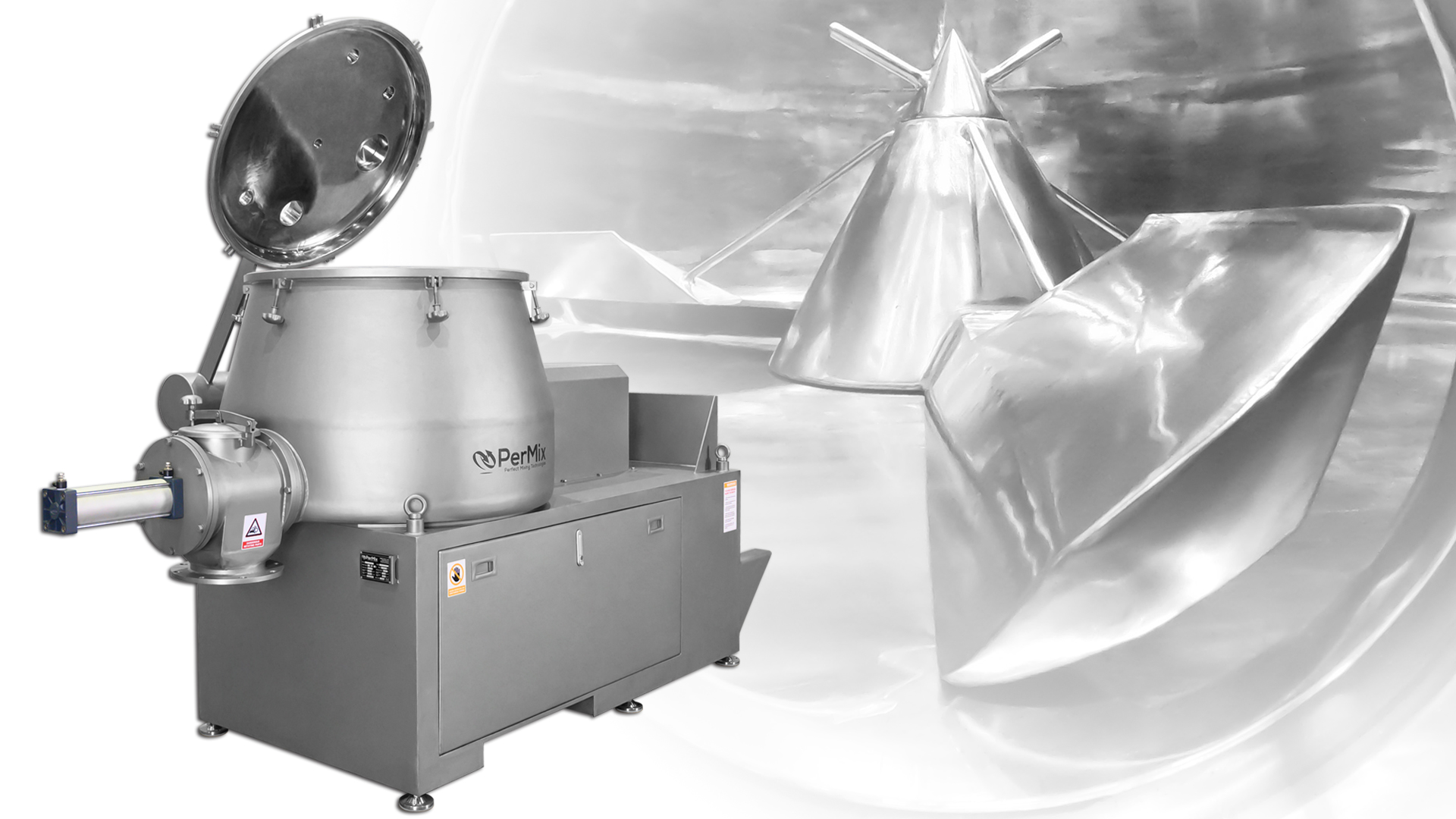
PerMix plow mixers and high-speed mixer granulators (HSMGs) can be used for powder granulation, but they serve slightly different purposes and offer unique bene
PerMix plow mixers and high-speed mixer granulators (HSMGs) can be used for powder granulation, but they serve slightly different purposes and offer unique benefits depending on your specific product, throughput, and process goals.
Here’s a quick breakdown to help you compare them:
🔁 Plow Mixers for Granulation
How they work: Plow mixers use plow-shaped mixing elements that fluidize the powder in a turbulent zone. When equipped with chopper assemblies, they can shear and break up agglomerates or help form granules during liquid addition.
- Large batch sizes
- Coarser or less precise granulation
- Granules that don’t require tight size distribution
- Mixing and granulating powders that are heat-sensitive (can be jacketed for temperature control)
- Applications where longer granulation time is acceptable
- Scalable to large volumes
- Excellent mixing and distribution
- Gentle yet efficient (good for delicate ingredients)
- Lower power consumption than HSMGs
- More versatile — can mix, granulate, coat, and even dry if vacuum + jacketed
- Slower granulation time
- Less precise control over granule size and shape
- Granule density can be more variable
⚡ High-Speed Mixer Granulators (HSMGs)
How they work: These use a rapidly rotating impeller (to mix and create movement) and a chopper blade (to break up particles or lumps) to granulate powders quickly. Granulation occurs rapidly as binder liquid is added.
- Fine, consistent granulation with tight size distribution
- Pharmaceutical applications (tablets, capsules)
- Products where uniform density is critical
- Fast granulation cycles
- High shear-sensitive processes
- Fast batch times
- Produces highly uniform granules
- Excellent binder distribution
- Ideal for downstream tableting/compression
- Often used in pharma, nutraceuticals, and specialty chemicals
- Smaller batch sizes compared to plow mixers
- Higher energy usage
- More wear & tear from high-speed parts
- Less suitable for heat-sensitive ingredients unless cooled
🧠 So which is better?
It depends on your product and process goals:
Come see the PerMix difference and discuss with our team