Cook & Chill: What’s the Best Way to Chill Your Product After Cooking?
Cook & Chill: What’s the Best Way to Chill Your Product After Cooking? One of the hottest debates in food processing is all about cooling—and we hear it every
Cook & Chill: What’s the Best Way to Chill Your Product After Cooking?
One of the hottest debates in food processing is all about cooling—and we hear it every day at PerMix:
👉 Do you chill in the same vessel you cook in?👉 Do you transfer to a separate chiller?👉 Or do you package it hot and use a water bath?
Each method has its pros and cons, and the best choice depends on your product, throughput needs, and plant setup. Here’s a quick breakdown:
✅ Chilling in the Same Vessel
- No transfers = less product loss, better sanitation
- Ideal for precision-controlled products like soups & sauces
- Downsides? It can tie up your mixer longer between batches
✅ Chilling in a Separate Vessel
- Speeds up production by freeing the cooking vessel
- Ideal for continuous or high-volume production
- But requires more space and equipment
✅ Packaging Hot + Water Bath Chill
- Perfect for portion-packed, sealed products
- Fast batch chilling with minimal exposure
- But adds more handling and sanitation requirements
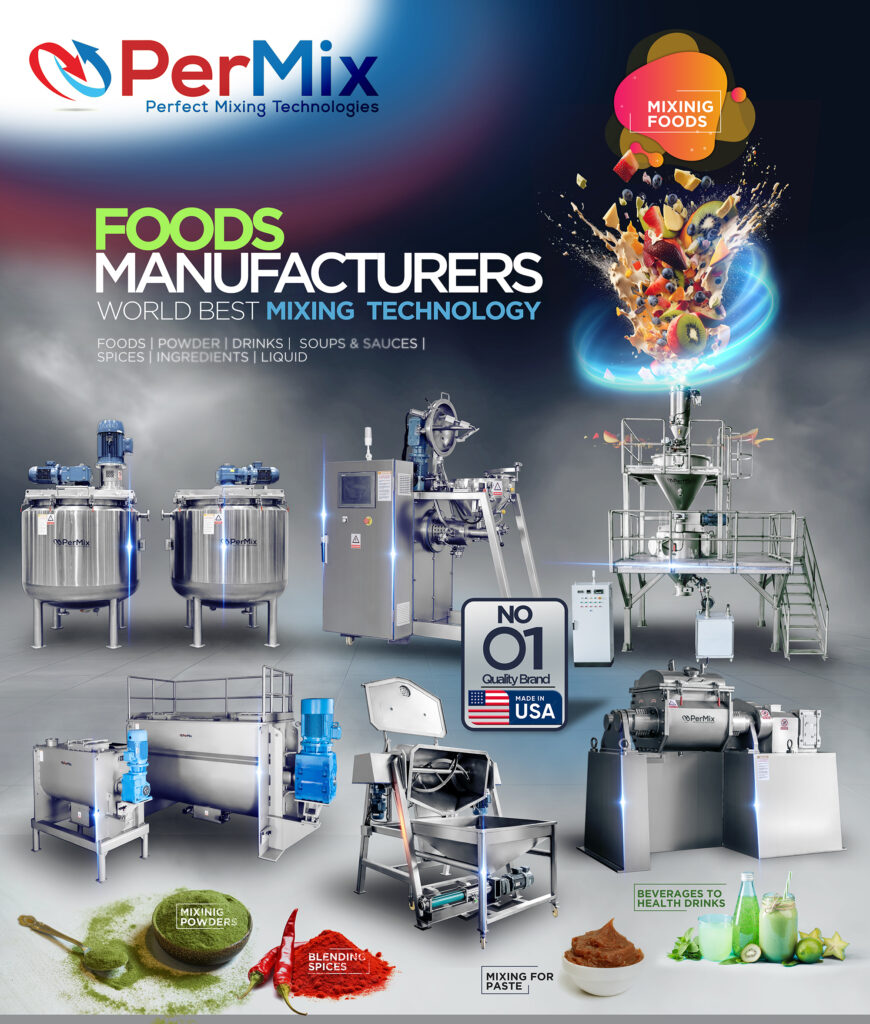
At PerMix, we engineer versatile cook & chill systems that adapt to your process—whether you want to cook, chill, and CIP in one unit, or run a full multi-step operation.
💡 The key is choosing a system that improves quality, increases efficiency, and works with your team—not against it.
👨🔬 Need help deciding? Let’s talk about the best option for your operation.
#PerMix #CookAndChill #FoodManufacturing #ProcessEngineering #IndustrialMixers #Kettles #SanitaryDesign #Efficiency #Automation #FoodProcessing #ChillingSolutions